
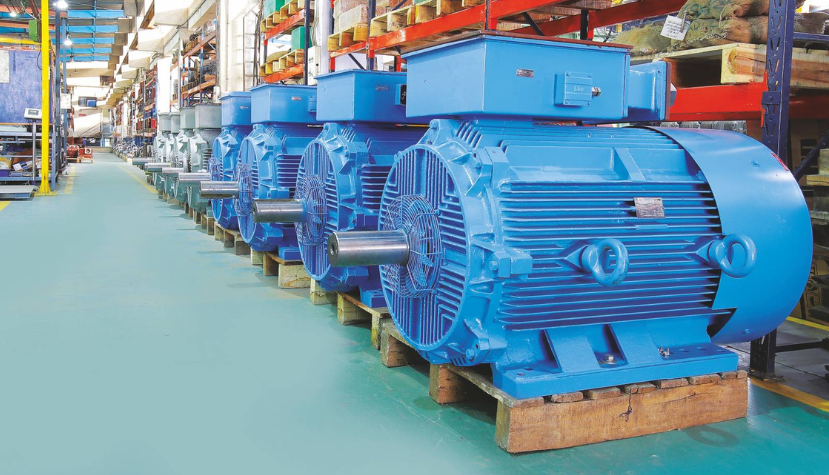

Electric motors are designed to provide reliable performance, but regular maintenance is essential to keep them operating efficiently. Proper maintenance can help identify potential issues early, reduce unexpected downtime, and support longer equipment life.
A preventive maintenance approach is generally more effective than waiting until a motor develops a serious problem.
Perform Regular Visual Inspections
Regular visual inspections are a simple but important part of motor maintenance. Check the motor for visible signs of overheating, dirt accumulation, loose components, damaged wiring, or unusual conditions.
Early identification of these issues can help prevent more serious problems from developing.
Monitor Unusual Noise and Vibration
Changes in motor noise or vibration can indicate potential mechanical or electrical issues. Unusual sounds may be associated with bearings, alignment, mounting, or other components.
Monitoring changes in normal operating conditions can help maintenance teams identify problems before they cause significant equipment failure.
Keep the Motor Clean
Dust and dirt can accumulate around the motor and restrict proper ventilation. Excessive contamination can contribute to increased operating temperatures and affect performance.
Keeping the motor and surrounding area clean can help maintain appropriate airflow and operating conditions.
Check Bearings and Lubrication
Bearings are important components of many electric motors. Proper lubrication and inspection can help reduce friction and wear.
Following the manufacturer’s recommended maintenance and lubrication practices is important, as both insufficient and excessive lubrication can create problems.
Inspect Electrical Connections
Loose or damaged electrical connections can affect motor performance and may create additional heat during operation. Electrical connections should be inspected regularly as part of a suitable maintenance program.
Any electrical inspection or repair should be carried out by appropriately qualified personnel.
Monitor Operating Temperature
Excessive heat can negatively affect motor performance and service life. Monitoring operating temperature can help identify problems related to overloading, ventilation, electrical conditions, or other factors.
If a motor consistently operates at unusually high temperatures, the underlying cause should be investigated.
Follow a Preventive Maintenance Schedule
A structured maintenance schedule makes it easier to monitor motor condition and identify recurring issues. Maintenance activities can be planned according to the motor’s operating hours, application, environment, and manufacturer’s recommendations.
Keeping maintenance records can also help identify trends and support better maintenance decisions.
Conclusion
Regular electric motor maintenance is an important part of reliable industrial operation. Visual inspections, cleaning, vibration monitoring, bearing care, electrical checks, and temperature monitoring can help maintain performance and reduce unexpected downtime.