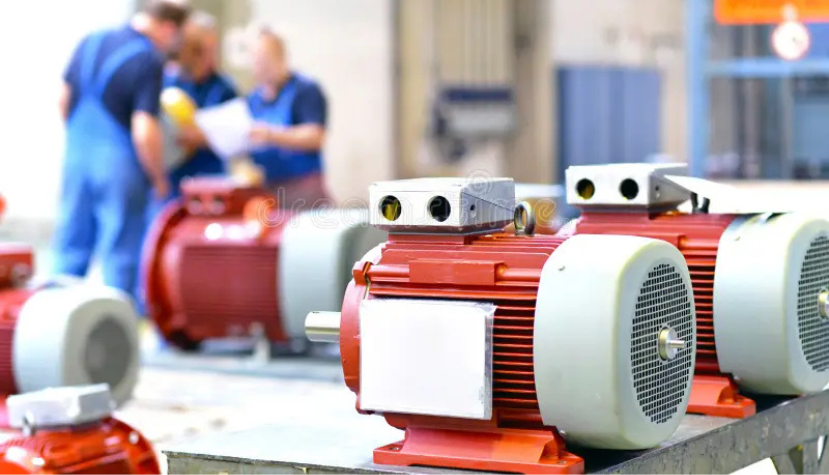

Choosing the right electric motor is an important decision for any industrial application. The motor directly affects equipment performance, energy consumption, operating reliability, and maintenance requirements. A motor that does not match the application’s requirements can lead to unnecessary energy use, overheating, frequent maintenance, and reduced equipment life.
Understand Your Application Requirements
The first step in selecting an electric motor is understanding how the motor will be used. Different industrial machines have different load requirements, operating speeds, starting conditions, and working environments.
Consider factors such as the required power, speed, torque, duty cycle, and type of equipment. A motor used for a pump may have different requirements from one used for a conveyor, compressor, fan, or manufacturing machine.
Consider Motor Power and Load
Motor power should match the actual load of the application. Selecting a motor with insufficient capacity can result in overheating and poor performance, while choosing an unnecessarily large motor may increase energy consumption and initial costs.
Understanding the application’s normal and peak load conditions helps in selecting a motor that can operate reliably without being unnecessarily oversized.
Check Operating Speed
Motor speed is another important factor. Different machines require different operating speeds to achieve their desired performance. Selecting the appropriate motor speed can help ensure smooth operation and efficient power transmission.
In applications where speed control is required, additional considerations may include the use of suitable control systems or variable-speed drives.
Consider the Working Environment
Industrial motors may operate in environments with dust, moisture, heat, chemicals, or other demanding conditions. The motor should be suitable for the environment in which it will operate.
Proper protection and construction can help improve reliability and reduce the risk of premature motor failure.
Focus on Long-Term Reliability
The initial purchase price should not be the only factor when choosing an electric motor. Energy consumption, maintenance requirements, operating life, and reliability all contribute to the total cost of ownership.
A well-selected motor can provide consistent performance while helping reduce unexpected downtime and maintenance costs.
Conclusion
Choosing the right electric motor requires a clear understanding of the application, load, speed, operating environment, and long-term performance requirements. By considering these factors carefully, businesses can select motors that provide reliable performance and support efficient industrial operations.